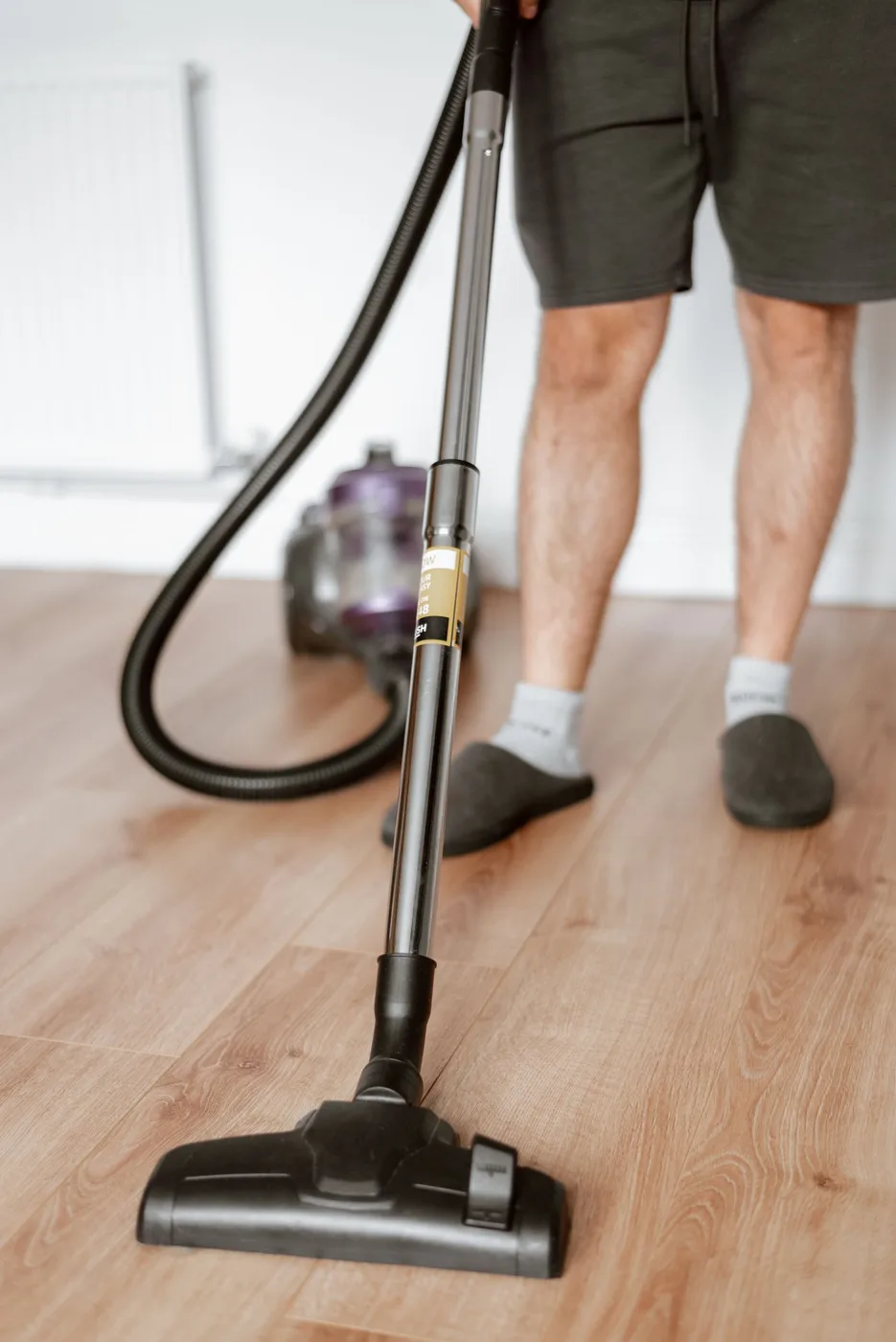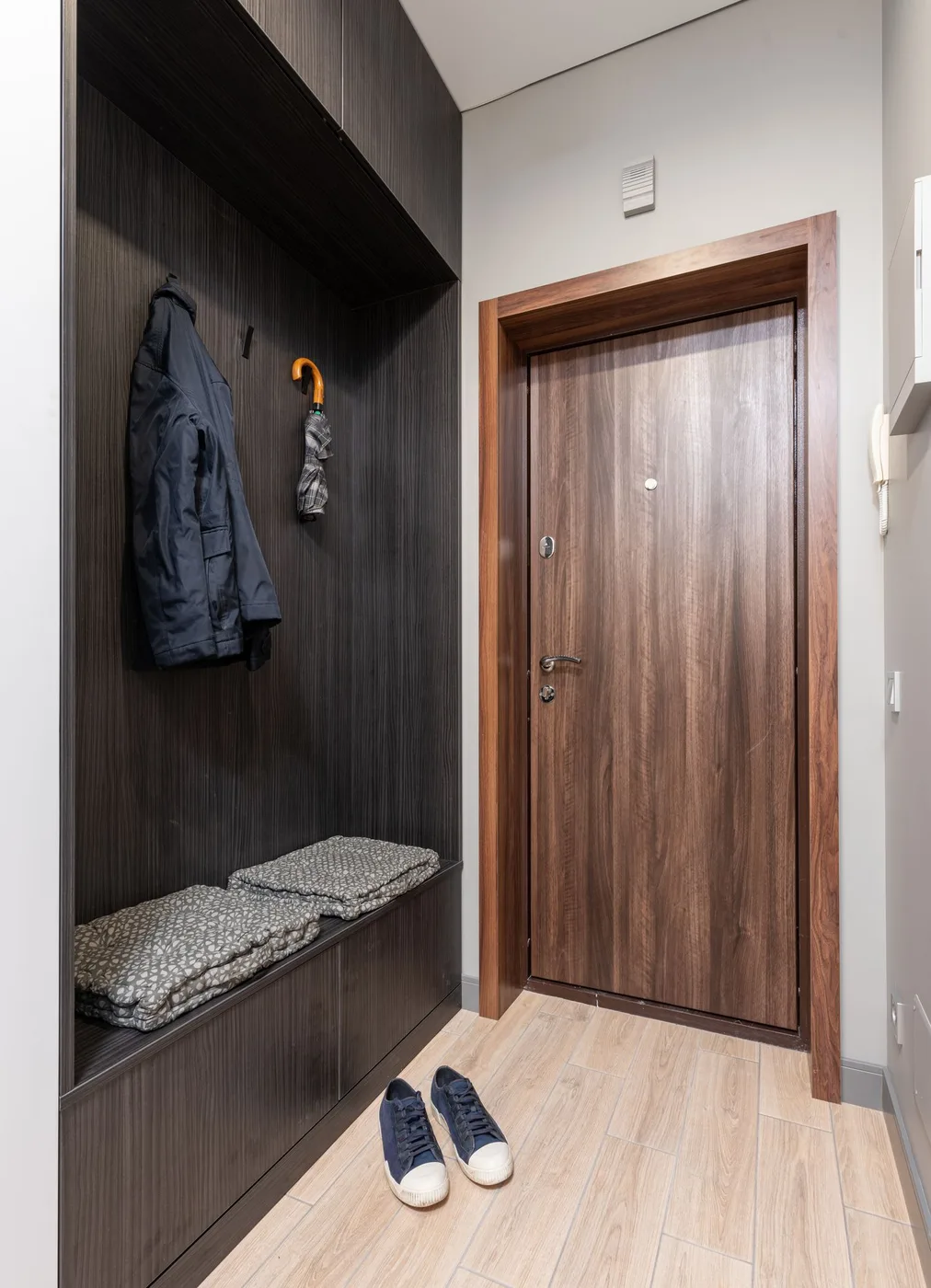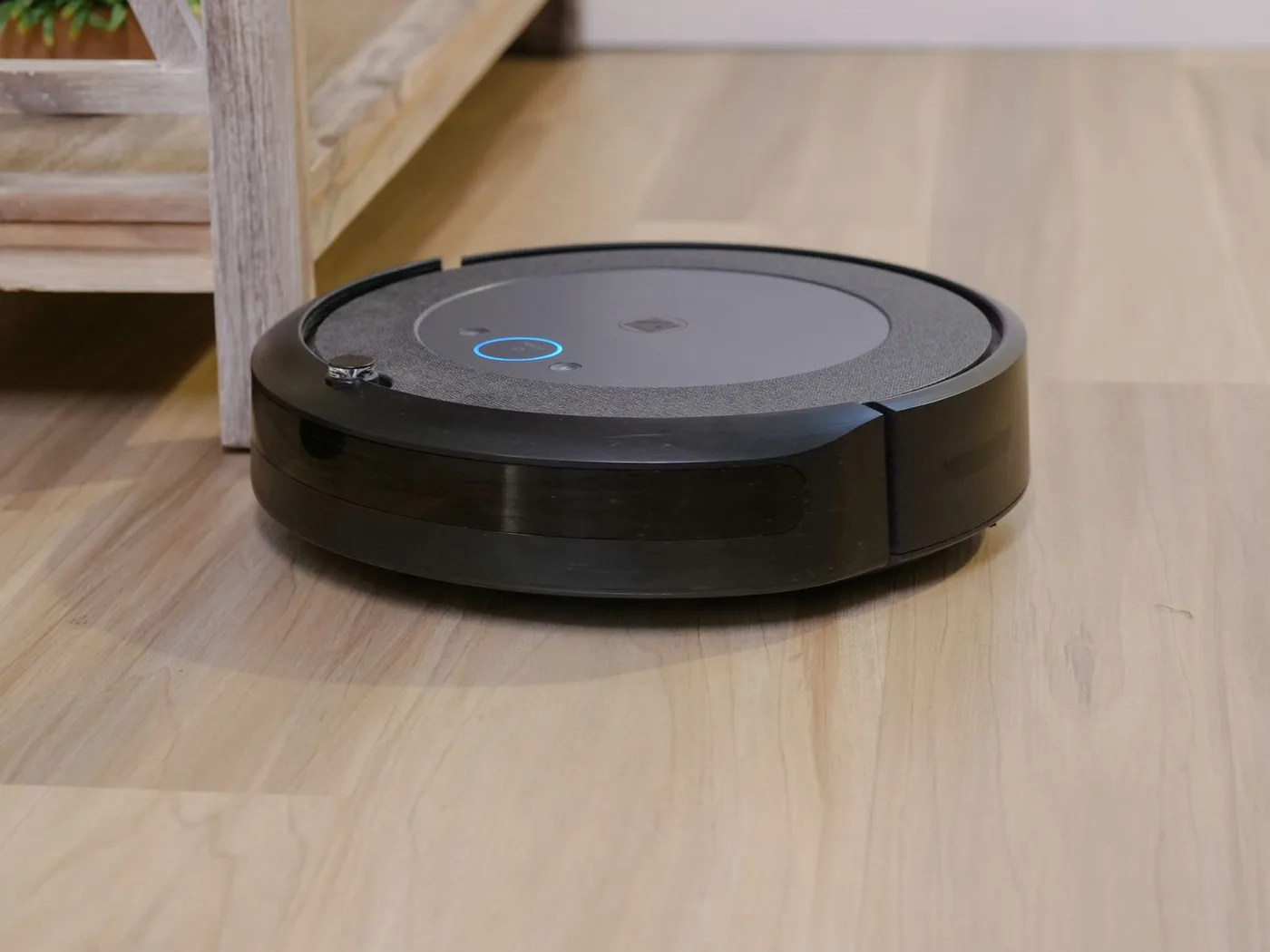
Picture a home where crumbs collect under the breakfast table every evening, but charging cables, a fringed rug, and scattered building blocks sit along the route. A robot vacuum could help with the repeatable floor-cleaning task. It will not automatically solve the things that keep blocking that task.
Before comparing premium features, spend one evening checking the rooms as they actually look on a weekday. This walkthrough helps you decide whether a robot is a useful purchase, what specifications matter, and whether a simpler vacuum would fit better. The recommendations are based on household workflow and manufacturer guidance, without claiming hands-on product testing.
Clear routes, a suitable dock location, and a realistic maintenance routine matter more than choosing the largest suction number.
Walk the route at floor level
Start at the location you would use for the dock and trace a route through the intended rooms. Look for phone cords under the sofa, lightweight mats, dangling curtain edges, and objects that migrate from shelves to the floor. Roborock's preparation guidance specifically discusses cords, rug tassels, and small toys. Turn that general advice into a list of the recurring obstacles in your own rooms.
Move the charging point onto a surface and give loose toys a nearby collection basket. If a rug edge routinely curls, resolve it before expecting a robot to cross it reliably. Do not rely on an obstacle-recognition claim to protect pet waste, delicate objects, or every thin cable. Clear those items and supervise early runs instead of creating a challenge course.
Measure access and parking separately
Measure the narrowest furniture gap and the lowest point beneath the sofa, including crossbars that are harder to see from above. Compare these with the whole robot's dimensions, including raised sensors. A machine that fits under the front edge may encounter a lower obstruction farther in. Use the manual's requirements rather than buying to a nearly exact gap.
The dock needs its own plan. Measure the footprint, approach space, power-cord route, and access needed to remove bins or water tanks. A self-emptying or mop-washing station can occupy substantially more usable space than the robot. Tape its outline on the floor and simulate opening it. If the only suitable location blocks a closet or hallway, a smaller dock may be the more useful feature.
| Room detail | Record before shopping | Buying implication |
|---|---|---|
| Sofa and cabinets | Lowest hidden clearance and narrow gaps | Compare full robot dimensions |
| Doorways | Threshold shape and height | Check the exact model's crossing guidance |
| Mixed flooring | Rugs, fringes, delicate surfaces | Confirm surface suitability and mop controls |
| Dock corner | Approach room and tank or bin access | Choose a station that can be maintained there |
Choose the cleaning job before choosing the bundle
For crumbs and routine dry debris on compatible floors, a vacuum-focused model may be enough. A combined mop system adds water handling, pad care, and decisions about rugs. Check what the machine actually does when it encounters carpet and whether the manufacturer supports your floor finish. An app boundary is useful only when you can set and maintain it correctly.
Treat suction figures as one published specification rather than a complete cleaning comparison. Brush design, reachable floor area, bin management, and navigation also affect the practical job. Do not pay for a large multifunction dock if the extra work of emptying dirty water or cleaning the tray will be neglected. A modest machine that completes one accessible floor can be a sounder fit.
Make the first week an observation period
Set up according to the exact model's instructions, then observe the initial mapping and cleaning sessions. Note where chairs interrupt access, which doors need to remain open, and whether the robot returns to its dock consistently. Change one issue at a time so you can see what actually helps. Keep physical protection at stairs or other drops wherever the manual requires it; an electronic map is not a substitute.
Choose a cleaning time that follows the household's normal floor reset. After breakfast may suit a quiet home, while after-dinner cleaning may work when toys are already put away. Avoid scheduling around an idealized version of the household. If clearing the route takes longer than a quick manual pass, reassess which rooms should be included.
Budget for ownership, including the jobs it leaves behind
Before ordering, find official replacement brushes, filters, bags, or pads for the exact model. Check the maintenance instructions and give those tasks a place in your routine. Roborock's troubleshooting guidance also illustrates that dirty sensors can affect navigation. A robot remains a machine that needs inspection and care even when its dock automates one part of the process.
Buy when repeated maintenance cleaning on an accessible floor is the problem you want to solve. Skip or postpone if most of the home is stairs, deep clutter, incompatible rugs, or rooms too small for an unobstructed dock. Keep a manual tool for edges, upholstery, stairs, and spills. The robot should reduce a clear task, with room in the budget for the cleaning it cannot do.
Shopping notes
Use these options as a starting point, then check dimensions, current materials, care instructions, availability, and the retailer’s return policy before ordering.
Roborock US robot-vacuum comparison
Consider it for: Compare current models after recording furniture clearance, floor types, and dock space. Use the individual manuals for final placement requirements.
The tradeoff: A feature-rich station adds consumables and water-care tasks. Published features are a shortlist aid, not proof of performance in your floor plan.
Explore at the official site External merchant link · no affiliate commissionYour questions, answered
Do I still need to pick up cables?
Yes. Treat cable pickup as part of the floor reset even with obstacle recognition. A thin loose cord can be difficult to see and can move after the machine begins its run.
Can I put the dock in a cupboard?
Only if the exact model's placement, access, and ventilation instructions can be met. Include door operation, approach clearance, and room to remove every serviceable part in the decision.
Is automatic emptying worth the extra space?
It can help when frequent bin emptying would interrupt a useful routine. Compare that benefit against station size, bag cost, noise, and access. It does not remove the need to maintain brushes and filters.
Sources & further reading
Product and care details were checked against the sources below on October 18, 2026. Our practical recommendations are editorial judgments, and a listed source does not imply endorsement.
- Roborock: Tips to maximize robot-vacuum efficiencyChecked 2026-10-18
- Roborock Support: Missed areas and abnormal cleaning pathsChecked 2026-10-18
- Roborock US: Current robot-vacuum rangeChecked 2026-10-18